
 IT
IT


FAQ
Lorem ipsum At vero eos et accusamus et iusto odio dignissimos ducimus qui blanditiis praesentium voluptatum deleniti.How to choose a Led conversion Kit
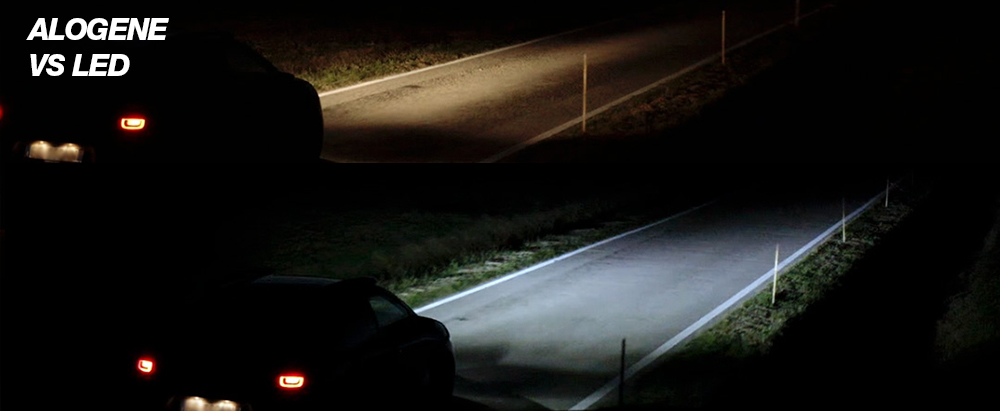
In short: when choosing a car LED kit, it is important to check the type of headlight, the original bulb fitting, lumen, Kelvin and Watt values, compatibility with the Canbus system, and the correct adjustment of the light beam after installation. Simoni Racing LED kits are designed to improve visibility, light color and the car’s aesthetic appearance, always choosing the model best suited to your vehicle.
How to choose a car LED kit: fittings, lumens, Kelvin, Canbus and installation
Choosing a car LED kit can seem complicated, especially when faced with many models, codes, brightness values and technical information that is not always easy to interpret.
To identify the correct LED kit, it is not enough to look only at how many lumens a bulb declares. You need to assess all the features together: headlight type, original fitting, color temperature, power consumption, electronic compatibility and light beam quality.
In this Simoni Racing guide, we explain step by step how to choose the LED bulbs best suited to your car, how to avoid compatibility errors and what to check after installation.
In this guide you will find:
- how to understand whether your car has reflector or projector headlights;
- how to identify the correct bulb fitting;
- what lumens, Kelvin and Watts mean;
- why declared lumens are not enough to choose an LED kit;
- what to do in case of a Canbus error or light fault warning;
- how to eliminate LED light flickering;
- why it is important to adjust the light beam after installation.
What is a car LED kit?
A car LED kit is a lighting system designed to replace traditional bulbs, such as halogen or xenon bulbs, with LED lamps. The aim is to obtain a more modern, whiter, more efficient light with generally lower power consumption than traditional bulbs.
LED kits can be used for front headlights, fog lights, interior lights and other applications, depending on the fitting and compatibility with the vehicle.
Before purchasing an LED kit, however, it is essential to check that the bulb is suitable for the headlight type, the original fitting and the car’s electronic system.
1. Check whether your car has reflector or projector headlights
The first element to check is the type of headlight fitted to the vehicle. Headlights are mainly of two types: reflector or projector.
This distinction is important because the behavior of the light changes significantly depending on the structure of the headlight.
Reflector headlights
Reflector headlights direct light onto the road through an internal reflective surface. This surface reflects the light beam generated by the bulb and distributes it in front of the vehicle.
In general, reflector headlights tend to spread the light more and may appear brighter and wider, but they still require a well-positioned bulb to avoid light dispersion or glare.
Projector headlights
In projector headlights, the light beam passes through a lens that regulates its shape and defines its cut-off. This system focuses the light more precisely in front of the car.
For projector headlights, it is important to choose LED bulbs with suitable characteristics, capable of correctly focusing the light at the point intended by the headlight design. An unsuitable bulb may generate an ineffective or poorly distributed beam.
Simoni Racing tip: before choosing an LED kit, always check whether your headlight is reflector or projector. The type of headlight affects lighting performance, beam depth and the correct distribution of light on the road.
2. Identify the correct bulb fitting
After identifying the type of headlight, you need to determine the original bulb fitting. The fitting indicates the shape and type of connection of the bulb installed on the vehicle.
To find the correct fitting, you can:
- consult the vehicle owner’s manual;
- remove the original bulb and read the code engraved on the body of the lamp;
- check the car’s technical data sheet;
- ask a qualified dealer or installer for support.
Common fittings for car LED kits include, for example, H1, H3, H4, H7, H8, H9, H11 and H16. The same logic also applies to interior LED bulbs, where format and compatibility must always be checked.
Important: the manual useful for identifying bulbs is the vehicle owner’s manual, not the vehicle registration document.
3. Lumens, Kelvin and Watts: what do they mean?
When choosing an LED kit, it is important not to focus on a single technical value. Lumens, Kelvin and Watts describe different aspects of the bulb and must be evaluated together.
| Parameter | What it indicates | Why it matters |
|---|---|---|
| Lumens | They measure the amount of light emitted by the bulb | They help assess brightness, but are not enough on their own to determine beam quality |
| Kelvin | They indicate the color temperature of the light | They determine whether the light appears warm, white, cold or bluish |
| Watts | They indicate the electrical consumption of the bulb | They are useful for assessing power draw, compatibility and the car’s electronic management |
Lumens: actual brightness
Lumens measure the amount of light emitted by the bulb. A higher value may indicate greater brightness, but it does not always automatically mean better visibility on the road.
Real performance also depends on the quality of the LED, the position of the light chips, the type of headlight, heat dissipation and the correct adjustment of the beam.
Kelvin: the color of the light
Kelvin degrees indicate the shade of the light. Above 4300 K, the light appears whiter than traditional halogen bulbs. Around 6000 K, the light tends toward a modern cool white. Higher values may approach bluish or violet tones.
For balanced road use, many drivers prefer a bright white light that improves visual perception without appearing excessively colored.
Watts: consumption and power draw
Watts indicate the electrical consumption of the bulb. LED lamps generally have a lower power draw than halogen lamps and, in many cases, also compared to other lighting technologies.
However, this reduced power draw may be detected by the control unit as a fault, especially on cars equipped with a Canbus system or bulb monitoring system.
4. How many real lumens should an LED bulb have?
On the market, LED kits can be found with very different lumen values: some declare 2,000 or 5,000 lumens, while others reach much higher figures, such as 30,000 or 40,000 lumens.
It is important to know that declared lumens are not always measured in the same way and may be difficult to compare from one product to another. Light measurement may vary depending on the instrument used, distance, reading angle and test conditions.
For this reason, a very high lumen value does not automatically guarantee better road illumination. A good LED kit must provide a correct, stable, well-oriented beam that is compatible with the vehicle’s headlight.
Simoni Racing tip: do not choose an LED kit based only on declared lumens. Always also evaluate headlight type, fitting, color temperature, heat dissipation, electronic compatibility and light beam quality.
5. What to do if the car shows a “light fault” warning
Some cars are equipped with a system that monitors the operation of the lights, often associated with Canbus management. This system checks the power draw of the bulbs and may report a fault when it detects values different from those expected.
Since LED bulbs consume less than original halogen bulbs, the control unit may interpret the low power draw as if the bulb were faulty, even when the LED is working correctly.
In these cases, a Canbus resistor can be used, connected between the bulb and the connector. The resistor modifies the power draw detected by the circuit, helping the control unit correctly recognize the bulb.
Technical note: Canbus resistors must be installed carefully, because these components can heat up during operation. They must be positioned correctly and kept away from plastics, cables or heat-sensitive parts.
6. What to do if LED lights flicker?
LED light flickering may be caused by voltage instability, the vehicle’s electronic control system or incompatibility between the bulb and the original electrical system.
To eliminate this problem, a canceller or LED decoder can be used. This component works as a stabilizer and helps make the lamp’s power supply more regular.
An LED decoder can therefore be useful when the kit switches on correctly but shows flashing, interference or irregular operation.
7. After installation, always adjust the light beam
After installing an LED kit, it is essential to correctly adjust the light beam. A more intense light that is poorly aimed can reduce real visibility and dazzle other drivers.
A simple method is to:
- position the car in front of a wall before installation;
- mark the height of the light beam of the original bulbs;
- install the new LED kit;
- check that the beam is at the same height as the previous reference mark;
- adjust the headlights using electronic or manual adjustment, if necessary.
Important: correct headlight adjustment is essential for safety. A beam that is too high can dazzle other drivers, while a beam that is too low can reduce illumination depth.
How to choose the LED kit best suited to your car
To correctly choose a car LED kit, it is useful to follow a precise order. This reduces the risk of purchasing a bulb that is incompatible or not very effective.
| Check | What to verify | Why it matters |
|---|---|---|
| Headlight type | Reflector or projector | It affects light distribution |
| Fitting | H1, H3, H4, H7, H11, etc. | It ensures mechanical compatibility |
| Kelvin | Color temperature | It determines the color of the light |
| Lumens | Declared amount of light | It must be evaluated together with beam quality |
| Canbus | Presence of bulb monitoring | It may require resistors or decoders |
| Adjustment | Beam height and orientation | It prevents glare and improves safety |
Simoni Racing LED kits for cars
Simoni Racing offers LED kits and LED bulbs for various applications, with fittings dedicated to the main car lighting needs.
Before choosing the product, always check the correct fitting for your vehicle and verify whether the headlight requires additional accessories such as Canbus resistors, decoders or specific adapters.
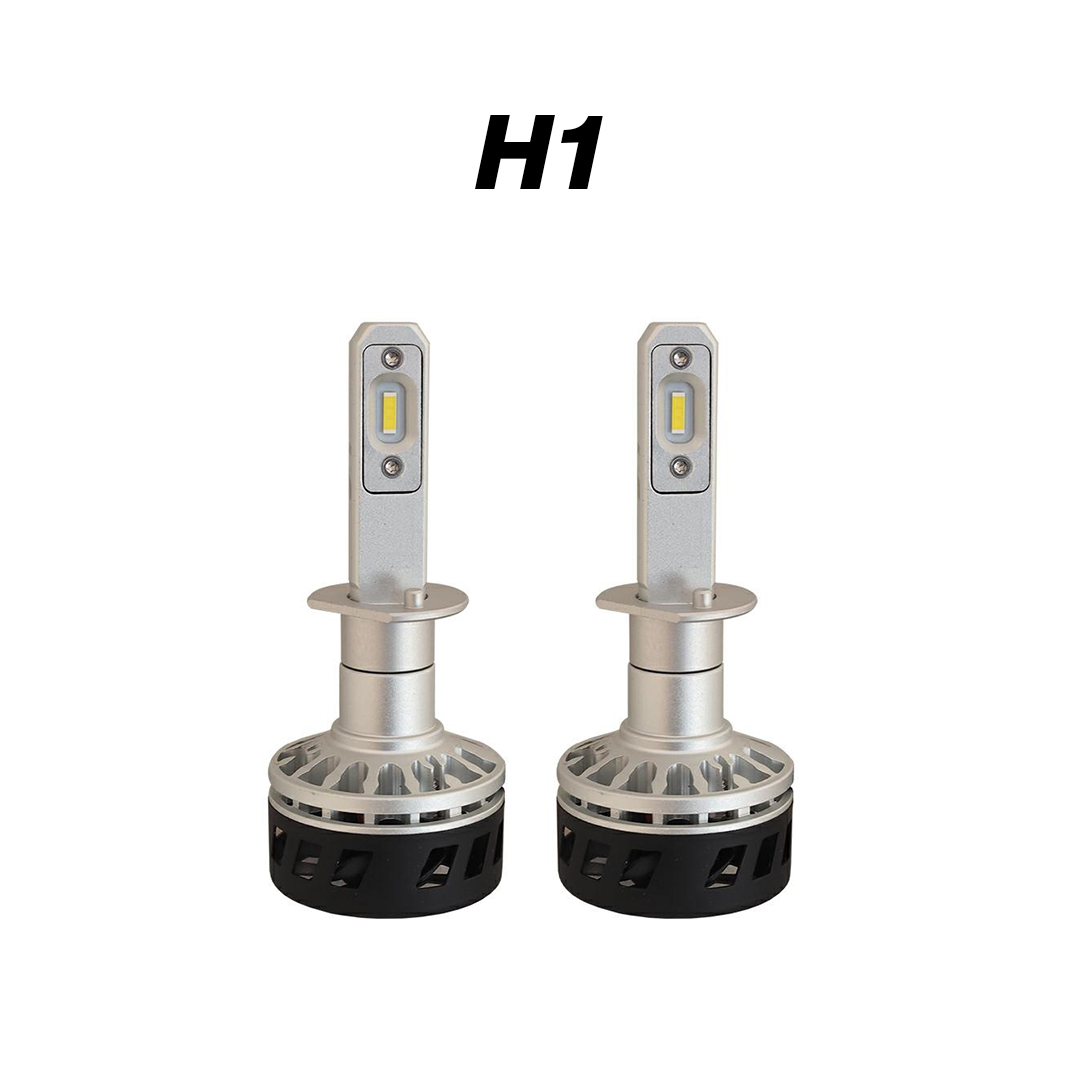
H1 LED Kit |
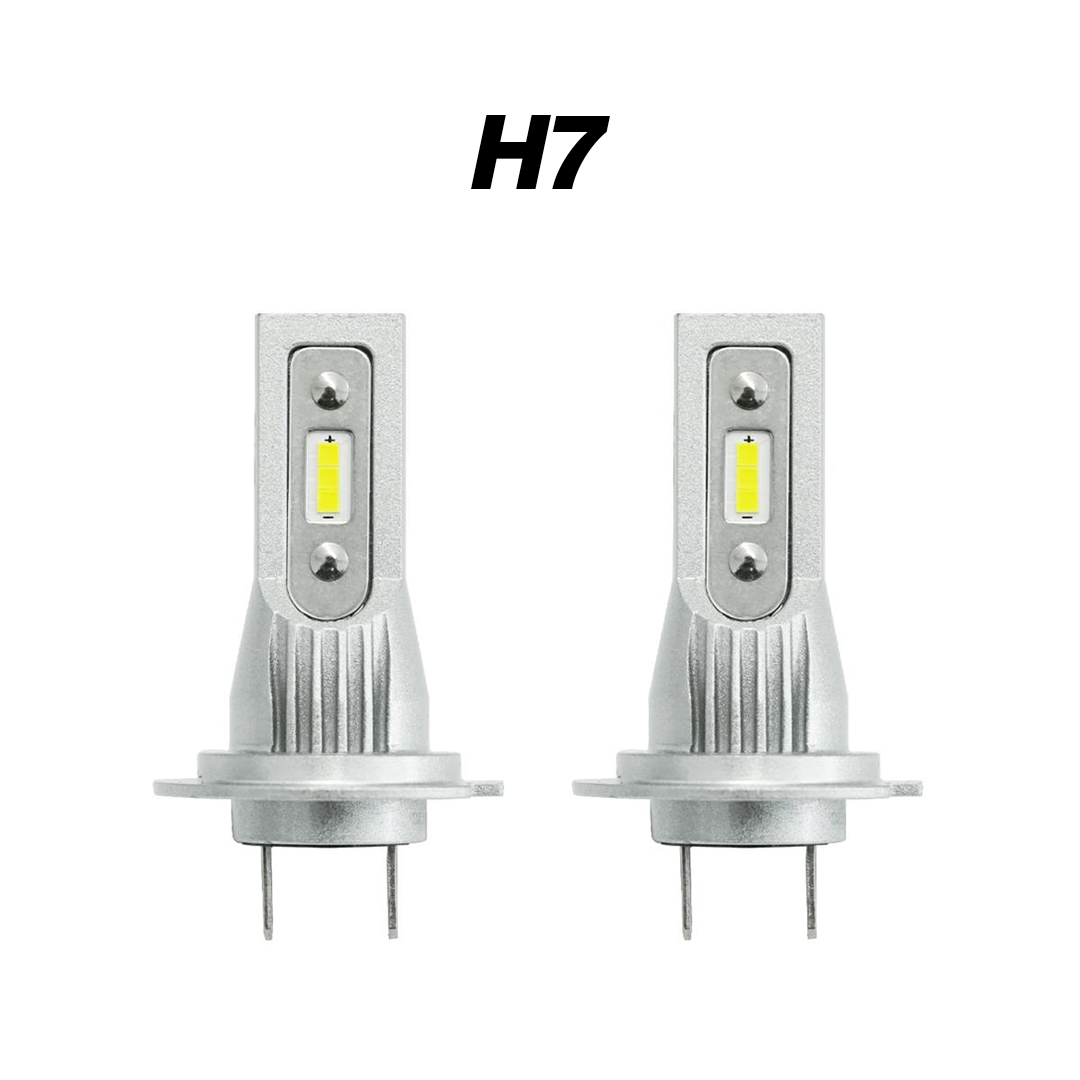
H7 LED Kit |
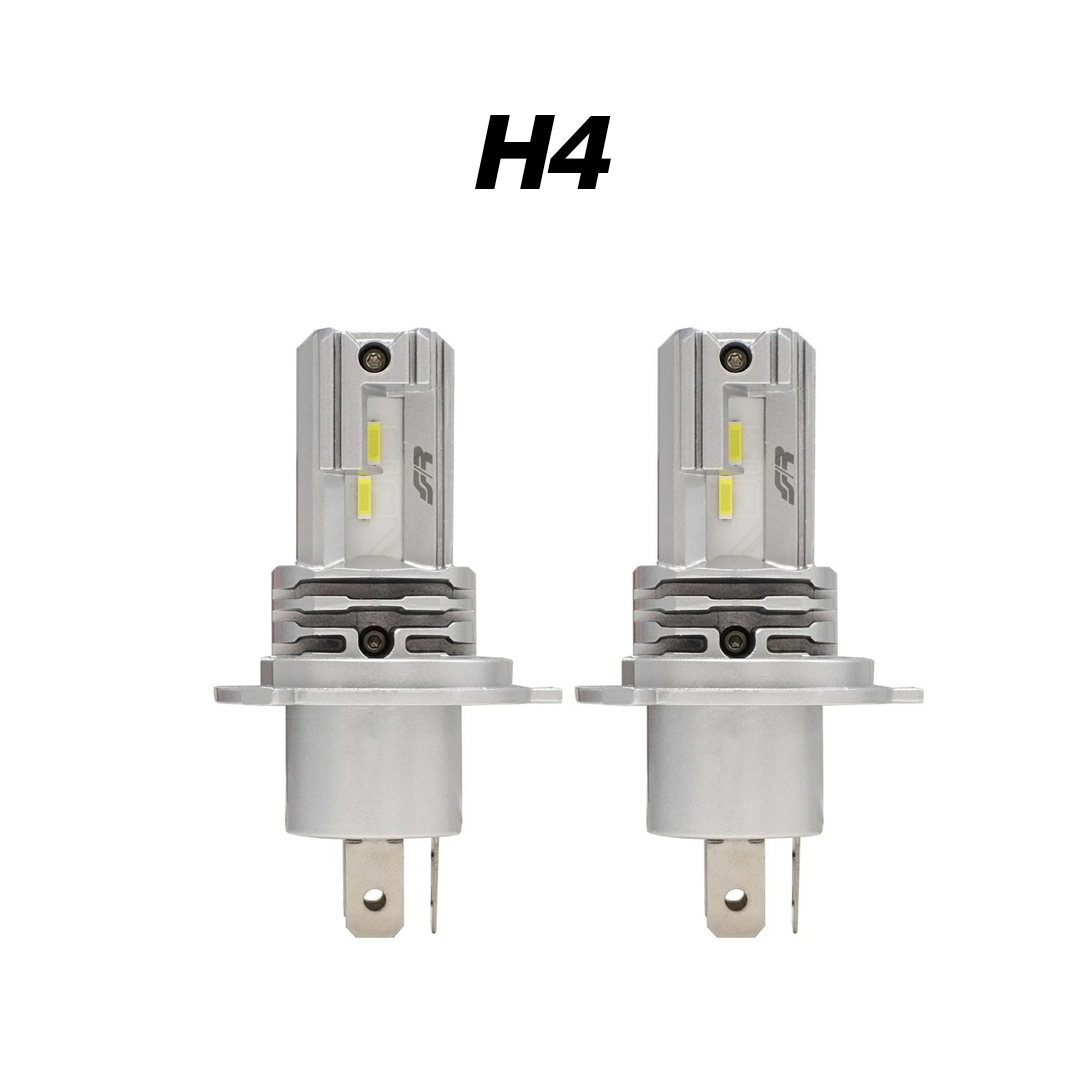
H4 LED Kit |
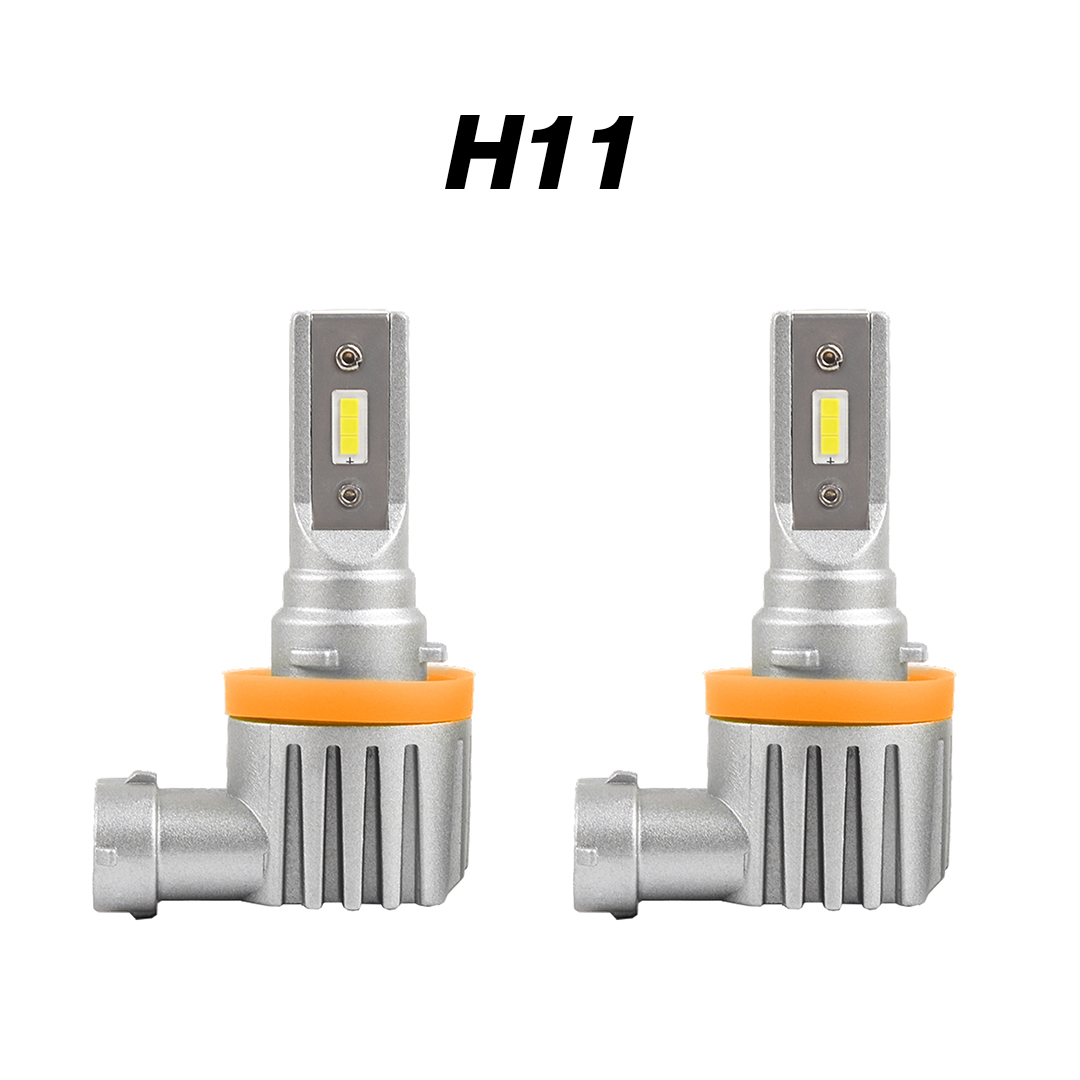
H11 / H16 / H9 / H8 LED Kit |
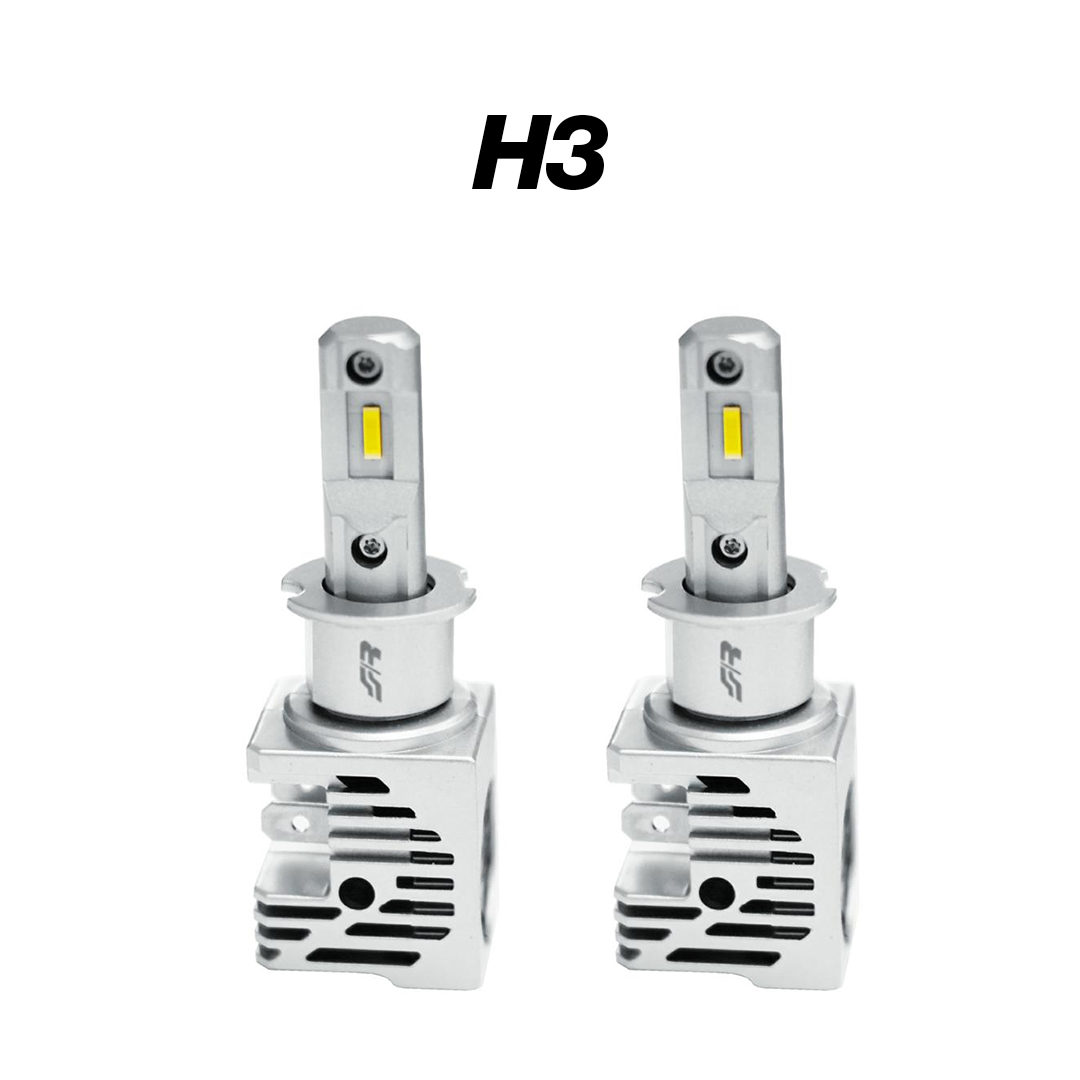
H3 LED Kit |
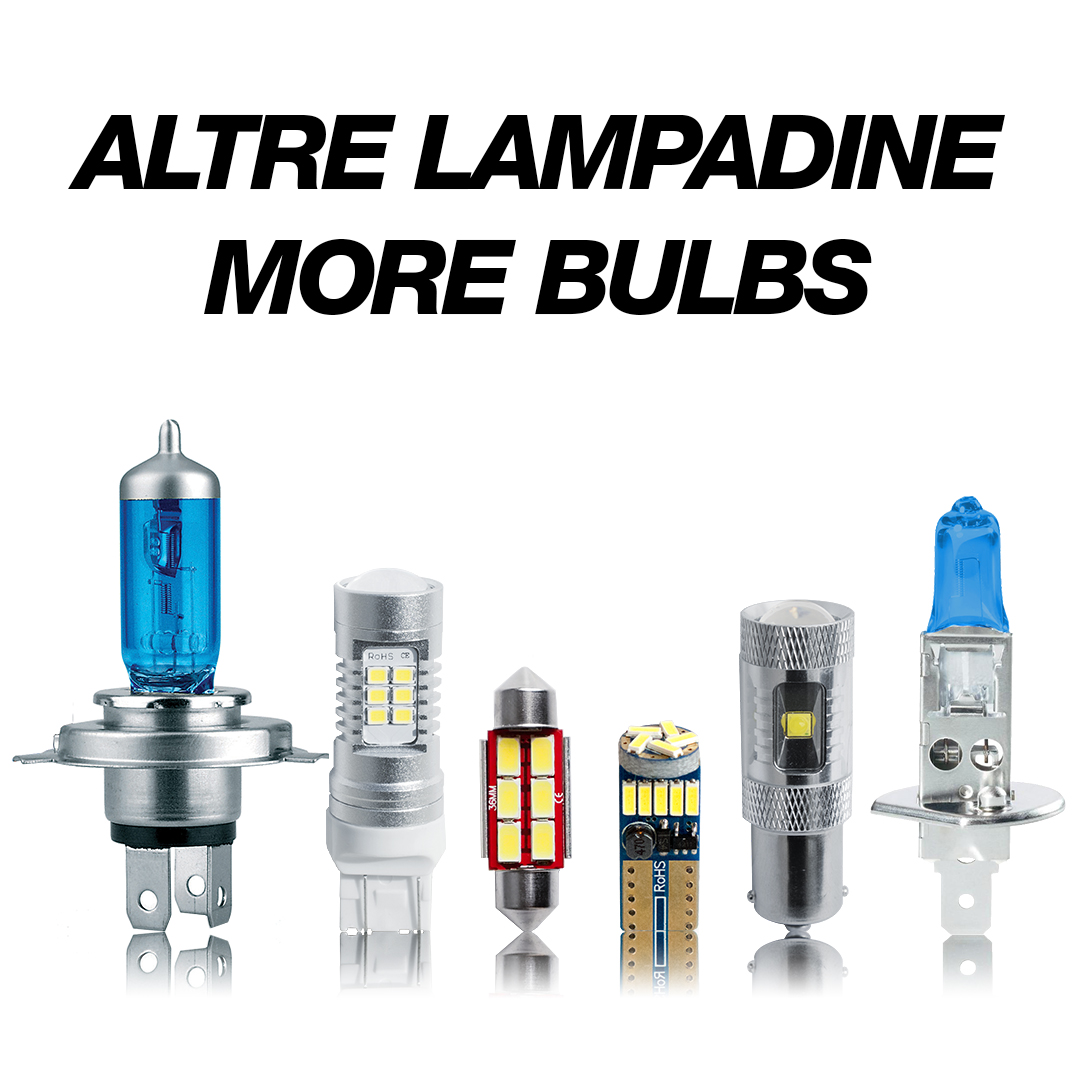
Other bulbs |
Useful videos about car LED kits
Watch the Simoni Racing videos dedicated to LED kits to learn more about installation, operation and practical tips.
Other Frequently Asked Question